Pests have a way of making small problems feel urgent. You see one roach in the kitchen and suddenly every shadow looks like a bug. The instinct is to throw money at the issue fast, but spending smart beats spending more. Affordable pest control is about timing, preparation, and picking the right mix of do it yourself steps and professional pest control. With a plan, you can cut costs while improving results.
Where money goes in pest control, and how to spend less
Pest control prices hinge on the species, the size and layout of the property, and how far the infestation has progressed. A general home pest control visit for ants, spiders, or roaches often ranges from 100 to 300 dollars for an initial treatment, with follow ups at 50 to 100 dollars. Quarterly pest control packages typically fall between 200 and 450 dollars per year, while monthly pest control can double that for heavy pressure areas. Larger pests cost more. Rodent control, including exclusion work, may run 200 to 1,500 dollars depending on how much sealing is required. Termite treatment is a different bracket entirely, from 800 to over 3,000 dollars based on the method and linear footage. Bed bug treatment may be quoted per room, often 500 to 1,500 dollars, especially with heat treatments or multiple visits.
The spread is wide, but so are your levers to save:
First, act early. A few carpenter ant scouts can be handled with targeted ant control, while a mature colony chewing through framing requires more time and materials. Early roach control might mean baits, sanitation coaching, and a light insect growth regulator. Wait six months and you are paying for a cockroach exterminator to do full kitchen crack and crevice treatments, void dusting, and follow ups.
Second, prep well. Giving a technician clear access, decluttering, and vacuuming reduces service time, which can trim the bill and sometimes the number of visits. When I managed a multi unit building, we cut our quarterly pest control spend by nearly 20 percent just by enforcing a pre visit checklist and setting up a key system so the tech could service apartments efficiently.
Third, right size the service. A house on a wooded lot abutting a creek faces different pressure than a top floor apartment in a new mid rise. The best pest control plan fits the property. You may only need seasonal pest control for ants in spring and fall and mosquito treatment in summer, not a full year plan for everything.
Professional help vs DIY, and where the line really sits
Plenty of issues respond to DIY. Ant trails, pantry pests like flour moths, light spider activity, and the odd wasp nest at the eave can be handled with consumer products and a weekend of focused work. Good insect control starts with inspection. Follow ant trails to entry points, wipe up pheromone trails with soapy water, set gel baits along travel lines, and improve caulking around doors and windows. For pantry pests, toss infested goods, store grains in sealed containers, and place sticky traps to monitor for stragglers.
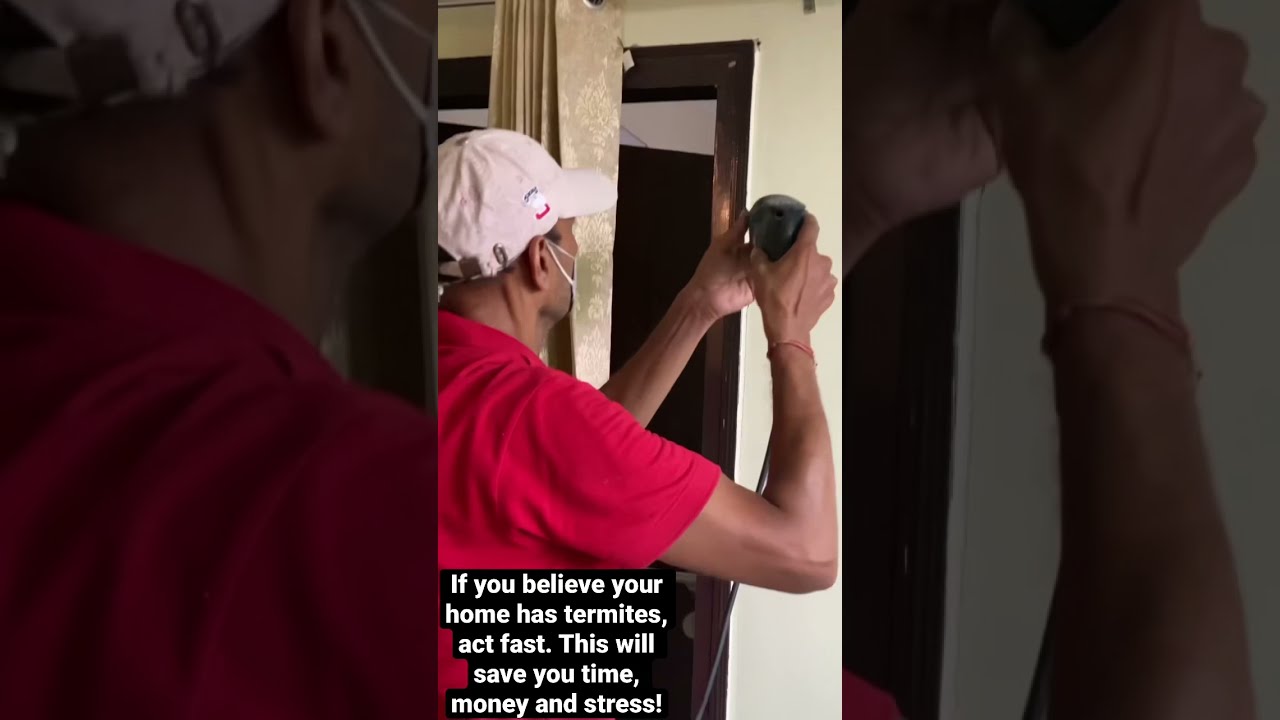
There is a point where a professional pest exterminator becomes the affordable choice. Termite control is the classic case. Misapplied termiticide around a foundation wastes chemical without establishing a protective barrier, and a missed mud tube in a crawlspace can cost thousands Buffalo pest control in repairs. Bed bug treatment is another. I have watched well meaning DIY attempts spread bugs from one bedroom to the couch and car, multiplying the final cost. Heavy rodent infestations behind walls call for systematic trapping, exclusion, and sanitization. Stinging insects in wall voids and wildlife removal, especially for raccoons or bats, carry real safety risks and legal rules. When in doubt, ask for a free pest inspection or a paid pest inspection from a licensed pest control specialist. A clear diagnosis usually saves money.
The integrated pest management mindset that lowers costs
Integrated pest management, or IPM pest control, focuses on identification, monitoring, prevention, and targeted treatment only when thresholds are met. It sounds academic, but it is the most budget friendly approach I know. You reduce the conditions that invite pests, seal the routes they use, watch activity with monitors, and choose the least toxic effective method when action is needed. The benefit shows up in fewer callbacks, lower chemical use, and less damage to your home and routine.
For residential pest control, IPM looks like weather stripping, door sweeps, and silicone caulk around utility penetrations. It looks like managing yard irrigation so the soil near the foundation dries between waterings, making termite pressure and mosquito breeding lower. Indoors, it means storing pet food in plastic bins, wiping counters nightly, and vacuuming floor edges weekly. Outdoors, it means trimming shrubs a foot back from siding, keeping firewood off the ground and away from the house, and repairing soffit screens. Small moves, big payoff.
Commercial pest control leans on IPM even more. One restaurant client cut their monthly pest control spend after we installed tight fitting dumpster lids, trained staff on end of shift cleaning, and mapped floor drains for weekly enzyme treatments. The bug exterminator still visited, but the focus shifted to monitoring and spot treatments, not broad sprays. Fewer pests, fewer treatments, lower invoice.
Prep like a pro before the tech arrives
I have seen a two hour service turn into a forty minute visit because a client prepped well. That speed rarely changes the treatment quality, it just reduces the billable time. Here is a streamlined checklist that works for most general pest control, roach control, and bed bug treatment setups.
- Clear baseboards, under sinks, and around appliances so the exterminator can reach cracks and crevices. Bag and launder bedding and clothing on high heat when bed bugs are suspected, and declutter under beds. Vacuum floor edges and inside cabinets, then empty the canister outdoors; remove heavy grease in kitchens. Secure pets, cover aquariums with plastic and turn off air pumps during indoor pest control. Note where you see the most activity, and leave a written list for the technician if you cannot be home.
A little prep goes a long way for mice control and rat control too. Pre place empty traps without bait for a day or two so rodents accept them as part of the environment, then ask the mouse exterminator or rat exterminator to bait and set them during service. You save follow up time because acceptance happens faster.
How to read pest control quotes without overpaying
If you call three local pest control companies and ask for pest control quotes, you will likely receive three different scopes. Do not shop by price alone. Read for these items.
Service scope. Does the plan list target pests clearly, such as ant control, spider control, and roach control, or does it say general pest control without specifics. General is fine, but make sure it includes the species you actually face, including German cockroaches if you have them.
Treatment methods. Good providers name products or product classes, such as non repellent sprays for roaches, gel baits for ants, dusts for wall voids, and insect growth regulators where appropriate. For eco friendly pest control or green pest control preferences, look for botanical options, targeted baits, and mechanical controls.
Access and prep. Quotes should note preparation responsibilities and any fees if prep is incomplete. Some companies charge extra for moving refrigerators or heavy furniture, or for bagging items ahead of a bed bug exterminator visit. Clarity here avoids surprise charges.
Warranty and retreat policy. For roach heavy jobs and termite treatment, a retreat window and inspection schedule matter. Termite inspection and warranty terms can include annual fees. Ask whether the termite inspection is included, whether the termite control warranty covers re treatment only or damage repair, and what conditions void it, like grading changes or leaky plumbing left unfixed.
Contract terms. A pest control contract may lock you into a year of service. That can be fine if you need quarterly pest control, but avoid auto renewal surprises. Look for cancellation terms, caps on annual price increases, and add on fees for special services like wasp removal, hornet removal, or bee removal during the plan.
Emergency and same day pest control surcharges. After hours or weekend calls often carry a 50 to 200 dollar premium. If you can wait 24 hours, you sometimes save that surcharge.
If a quote feels thin, ask for a detailed pest control estimate with line items. A transparent pest control company will not hide behind vague language.
Picking the right cadence: one time, quarterly, or monthly
There is no universal best plan. The right cadence depends on your property, tolerance for pests, and local pressure.
- One time pest control: Works for a sudden wasp nest, a small ant flare up, or an isolated spider issue. Least expensive upfront, but if the problem returns, multiple one offs can exceed a plan price. Quarterly pest control: A good fit for most homes. You get seasonal pest control timed to spring hatch outs and fall invaders, with on demand call backs in between. Predictable, moderate cost, solid coverage. Monthly pest control: Useful for heavy roach or rodent pressure, restaurants, warehouses, and older homes with structural gaps. More visits and more monitoring, higher cost, faster stabilization. Seasonal or year round pest control: Some companies let you choose spring to fall only, or add winter rodent control. Flexible and often affordable if pressure is truly seasonal.
For apartments with shared walls, one unit going monthly while neighbors do nothing is frustrating and expensive. Coordinate with management, request building wide pest inspection services, and push for IPM across common areas. In my experience, that approach halves the roach calls in six weeks.
Save by reducing pest pressure at the source
Most infestations start with moisture, food, and shelter. Manage these, and your paid treatments last longer. Outdoors, fix downspouts that discharge against the foundation. Grade soil to encourage water to run away from the house. Replace torn window screens and install door sweeps with a tight brush seal. Check the weather stripping along garage doors, a favorite entry for spiders and mice.
Inside, close the buffet line. Keep fruit in the fridge if ants are a recurring issue. Do a five minute nightly kitchen reset, wiping counters and sweeping floor edges where crumbs accumulate. Store flour, rice, and pet food in lidded containers. Do not forget the laundry room. Fabric pests ride in on thrifted clothes or rugs. A hot dryer cycle protects commercial pest control NY you better than mothballs, and it smells better.
Yard grooming also intersects with mosquito control. Mosquito treatment works better when you remove standing water, even small amounts in plant saucers. Aerate compacted lawn spots that hold puddles. Prune dense hedges to let sunlight in, drying leaf litter that shelters ticks. If tick control is a need, consider perimeter treatments timed to nymph activity in late spring, paired with habitat reduction.
Termites, bed bugs, and rodents, without the sticker shock
Three categories account for many big bills: termites, bed bugs, and rodents. You can manage each with a strategy that favors results over reactive spending.
Termites. A thorough termite inspection looks at grading, drainage, mulch contact with siding, and interior moisture sources that soften wood. For slabs, trench and treat with a non repellent termiticide, or install a bait system. Liquid treatments often cost less upfront, while baits spread the cost into monitoring visits. If money is tight, ask about phased treatment, starting with the most vulnerable side and adding sections as you budget allows, but weigh the risk carefully if active tubes exist on multiple sides. Move mulch back to expose a six inch band of foundation, and fix leaks before treatment, or you will pay for rework.
Bed bugs. Whole home heat treatments are effective but pricey. Chemical programs can be more affordable if you can commit to prep and multiple visits. Use encasements on mattresses and box springs to prevent harborage and make inspections faster. Isolate beds with interceptors at each leg, and keep bedding from touching the floor. If you travel frequently, run luggage through a high heat dryer bag on return. If you are in a multi unit building, do not pay for repeated single unit service without building wide inspection. Bed bugs travel along utility lines; partial treatment often wastes money.
Rodents. A good rodent extermination plan splits into exclusion and population reduction. The exclusion portion is what creates lasting savings. Spend on copper mesh, hardware cloth, and door sweeps, not just traps. I watched a warehouse cut their monthly spend after we sealed a two inch gap under a loading dock door and screened two vent stacks. Trapping continued, but the catch rate fell and service frequency dropped. Indoors, keep cereal and pet food sealed, and use covered trash cans. Outdoors, reduce ivy and stacked materials near walls. If you feed birds, place feeders far from the house and use trays to catch seed.
When “cheap” becomes expensive
I have reviewed countless low price quotes that skipped inspection or relied on broad spectrum sprays as the only tool. Those jobs looked cheap on paper and then required multiple retreats. A better yardstick is cost per solved problem. A licensed pest control provider who invests an hour in inspection and sets sticky monitors before a follow up often charges a bit more upfront but spends less of your time and money later.
Beware promises that sound absolute. No company can guarantee you will never see an ant again. What they can stand behind is a defined retreat policy, clear communication, and measured progress shown through monitoring. Top rated pest control firms earn their rating that way. Reliable pest control is not a one time miracle, it is a process.
Local knowledge pays off
Searches for pest control near me will turn up national brands and small local pest control outfits. Both can be excellent. Local firms often know neighborhood patterns intimately. In my city, one creek valley has intense mosquito pressure and another has a long running odorous house ant problem in certain subdivisions due to landscaping choices. A local tech can often quote a realistic plan on the first visit and stock the right baits in the truck. On the other hand, a larger pest control company may offer stronger warranties for termite control or package pricing that includes mosquito control or flea control in summer.
If you run a restaurant or manage an office, look for commercial pest control experience, digital logbooks for health inspections, and technicians trained in sensitive environments. Warehouse pest control and industrial pest control present unique issues like dock doors, pallet storage, and occasional imported insects. A firm that understands regulatory needs can prevent violations, which is its own cost savings.
Eco friendly and pet safe options that work
You do not have to choose between safety and results. Eco friendly pest control combines targeted baits, dusts like diatomaceous earth and borates in wall voids, and low impact residuals. Botanical oils can work well for certain spiders and wasps on contact. Child safe pest control is more about placement and formulation than labels. Gel baits placed in cracks, tamper resistant rodent stations, and wall void treatments avoid exposed residues. If you prefer organic pest control options, tell your provider early. Some green pest control routes cost a bit more, but the savings appear in fewer callbacks due to better customer compliance. People cooperate more when they feel safe, and that cooperation drives lasting results.
Make the most of plans, packages, and timing
Pest control packages bundle services, often at a discount. A pest control subscription can include general pests, mosquito treatment, and free call backs. Run the math. If you face routine ant and spider issues plus backyard mosquitoes, a bundled plan may beat separate one time services by 20 to 30 percent. If you rarely see pests, stick to a light quarterly plan or one time services as needed.
Timing helps. Book termite inspection in late winter before the spring swarm season rush, when schedules are open and promotions are common. For wasp removal, catch nests when they are small in early spring. For hornet removal and bee removal, hire a specialist who can relocate when possible and verify species, especially for honey bees. Many companies offer seasonal discounts, senior or veteran pricing, or neighborhood rates if three or more homes schedule on the same day. Ask. You are not haggling, you are aligning travel and route efficiency with your needs. The company saves fuel and windshield time, and you save cash.
A short word on insurance, guarantees, and the fine print
Home insurance rarely covers pest damage, but some termite control contracts include damage repair warranties. Read them carefully. Repair coverage often requires uninterrupted annual renewals and documented inspections. For general pest plans, ask whether follow up visits between scheduled services are included at no cost. Clarify whether attic dusting, crawlspace treatments, or exterior granular applications are included or billed as extras. When you request pest removal services for wildlife, verify licensing and humane practices. For critter control, the cheapest bid sometimes skips sealing or uses flimsy materials, which leads to repeat animals and repeat charges.
Two brief case notes from the field
A landlord with stubborn roach issues in a 12 unit building rotated through three providers, paying for monthly services that barely made a dent. We switched to a quarterly plan with heavier baiting at the start, installed door sweeps on all unit doors, and trained tenants to report sightings with a simple form showing date, time, and location. We also moved from sprayed baseboards to gel and dust in harborage, plus insect growth regulators where German roaches were dense. The total annual cost dropped by a third within six months because the technician spent time where it mattered, not repainting baseboards with pesticide.
A family with recurring ant trails along their kitchen window hired an exterminator twice each summer. Each time, the ants returned within weeks. During the next visit, we pulled the exterior trim and found a drip edge that funneled water behind the siding. Moist wood, sweet sap from a nearby tree, and a tiny gap created a perfect highway. We sealed the gap, trimmed the tree to reduce honeydew, and set bait placements inside for a week. No more ants. That small bit of exclusion work cost less than a single one time service, and they skipped the second visit that year.
When to call, what to ask, and how to decide
If you are debating whether to hire professional pest control, make a short, focused call. Share the species, where you have seen activity, how long it has been going on, and any DIY steps taken. Ask what the first visit will include, how they monitor progress, and what success looks like in one week, one month, and one quarter. Request a written pest control plan that names target pests, prep requirements, products or methods proposed, and the retreat policy. If you care about pet safe pest control, state your concerns, name your pets and their habits, and ask about re entry times.
A reliable pest control provider, whether a solo certified exterminator or a larger team with several licensed pest control technicians, will welcome the questions. They know the work is part science, part craftsmanship, and part coaching. Your cooperation matters. Their judgment matters. The best outcomes and the lowest bills happen when both align.
Final thoughts that put savings into practice
Affordable pest control is not a race to the bottom. It is a disciplined approach to inspection, prevention, and targeted treatment, supported by a fair plan and clear communication. You save by acting early, prepping well, choosing cadence wisely, and favoring providers who explain their reasoning. You save by fixing the leak under the sink, installing the door sweep, and storing food smartly. You save by using integrated pest management to shrink the problem before you spray the solution.
Whether you are searching for house pest control, apartment pest control, office pest control, or restaurant pest control, the same principles apply. Start with a good look, reduce what pests want, close the doors they use, and then treat what remains. You will spend less on pest treatment services, need fewer emergency pest control visits, and spend more weekends enjoying your space rather than chasing what scampers through it.